
Montana
Population & Demographics
State: Montana | Capital: Helena | Population (2024 est.): ~1.15 million | Region: Northwestern United States
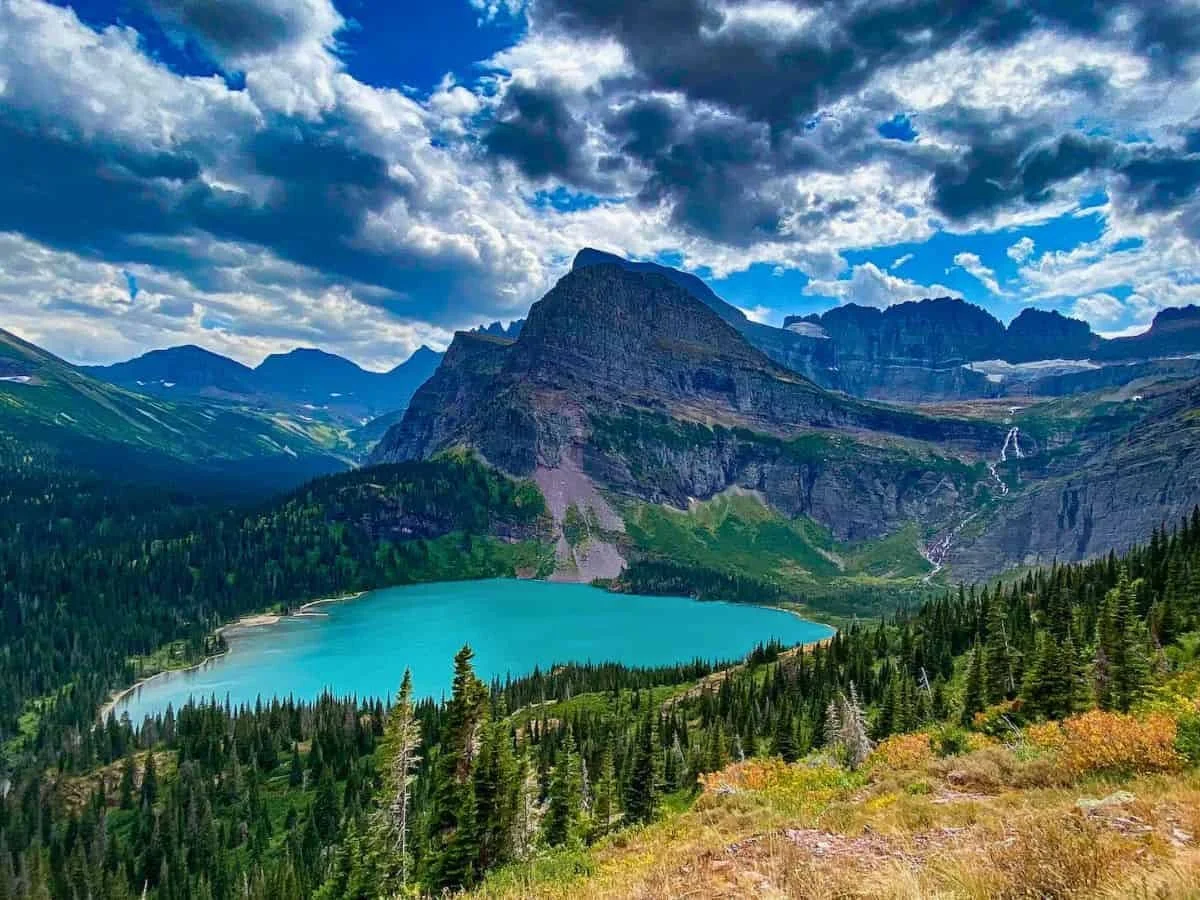
Montana, known as “Big Sky Country,” is one of America’s most scenic and spacious states — rich in natural resources, agriculture, and industry. Its vast open land and thriving energy and construction sectors create a strong demand for shipping containers and portable storage units across both rural and urban regions.
Major Cities
Billings – The state’s largest city and economic hub; key for energy, logistics, and distribution.
Missoula – Major center for education, healthcare, and construction.
Bozeman – Rapidly growing city with strong technology, manufacturing, and construction activity.
Great Falls – Industrial, military, and transportation center.
Helena – The state capital and a hub for government, finance, and business services.
Kalispell – Gateway to Glacier National Park; active in construction and tourism industries.
Butte – Mining, energy, and infrastructure development.
Belgrade – Industrial and manufacturing growth near Bozeman.
Havre – Agricultural processing and logistics base.
Miles City – Agricultural trade and transportation link for eastern Montana.
-
Major Companies in Montana
Montana’s economy is diverse, with major industries in energy, agriculture, technology, logistics, and manufacturing. Many rely on containerized transport for materials, supplies, and product distribution.
Stillwater Mining Company (Columbus) – Precious metals mining and refining
Montana Rail Link (Missoula) – Regional freight transportation
The Washington Companies (Missoula) – Industrial and transportation conglomerate
Benefis Health System (Great Falls) – Healthcare and logistics operations
Bozeman Health (Bozeman) – Healthcare and facility management
Montana State University (Bozeman) – Education and research development
First Interstate BancSystem (Billings) – Financial and business support
Town Pump Inc. (Butte) – Fuel, convenience, and hospitality operations
Simms Fishing Products (Bozeman) – Manufacturing and distribution
Murdoch’s Ranch & Home Supply (Bozeman) – Retail and agricultural equipment distribution
These companies — along with regional logistics and construction contractors — regularly use storage containers for secure storage, transport, and on-site operations.
-
Imports, Exports, and Container Transportation in Montana
Container Transportation Infrastructure
Although Montana is landlocked, it has a robust intermodal logistics network connecting businesses to West Coast ports and Midwestern distribution hubs. Containers typically move through the state by rail and truck, supporting both import and export activities.
Key Transportation Methods:
Rail Transport:
BNSF Railway and Union Pacific operate major lines across the state, linking Montana industries to ports in Seattle, Tacoma, and Portland.
Rail yards in Billings, Missoula, and Great Falls handle intermodal freight and containerized shipments.
Trucking Routes:
Interstates I-90, I-15, and I-94 form vital east-west and north-south shipping corridors for container distribution.
Containers move efficiently between distribution depots, construction sites, and industrial zones.
Air Freight:
Billings Logan International Airport and Bozeman Yellowstone International Airport handle time-sensitive containerized air cargo.
Inland Ports & Depots:
While Montana lacks a seaport, its proximity to Pacific Northwest terminals ensures efficient export movement via Port of Seattle, Port of Tacoma, and Port of Portland.
Montana Imports
Machinery and construction equipment
Consumer goods and industrial materials
Petroleum products
Manufactured goods
Agricultural and farming supplies
Montana Exports
Agricultural products (wheat, barley, livestock, pulses)
Oil, gas, and coal
Lumber and wood products
Processed foods and meat products
Mining and mineral resources
-
Common Uses of Storage Containers in Montana
1. Agriculture & Farm Use
Storage for feed, fertilizers, tools, and machinery.
Temperature-controlled containers for produce or seed storage.
Office and workshop conversions for large ranches and farms.
2. Construction & Infrastructure Projects
On-site tool and material storage for commercial and residential projects.
Mobile container offices, rest areas, and command centers on job sites.
3. Energy & Mining Operations
Secure and mobile storage for drilling and mining equipment.
Hazardous material containment and field supply depots.
4. Manufacturing & Logistics
Short- and long-term storage of goods awaiting transport.
Overflow storage for warehouse and production facilities.
5. Retail, Event, and Tourism
Pop-up stores, outdoor kiosks, and modular bar or dining setups.
Event organizers use containers for temporary merchandise storage or ticket booths.
6. Government & Military
Emergency response supply storage.
Mobile command and security units for field operations.
7. Residential & Personal Use
Secure temporary storage for home renovations, relocations, or seasonal items.
Container conversions into workshops, garages, or tiny homes.
Why Containers Work Well in Montana
Weather Resistant: Built to withstand Montana’s cold winters, snow, and wind.
Secure: Steel containers protect valuables from theft, wildlife, and weather.
Mobile: Easily moved between sites across vast rural areas.
Cost-Effective: Less expensive than building permanent structures.
Versatile: Can be customized for agriculture, construction, storage, or retail.
Montana’s broad landscape and resource-driven industries make it a perfect fit for container storage and logistics. From Billings to Bozeman, and Missoula to Great Falls, businesses rely on shipping containers for affordable, flexible, and durable storage solutions.
Whether used on a ranch, job site, factory, or festival, containers in Montana provide the reliability and adaptability the state’s industries demand.